
Definition of FOURTH WALL
: an imaginary wall (as at the opening of a modern stage proscenium) that keeps performers from recognizing or directly addressing their audience
An old term related to audience participation in theatre but in film terms, the fourth wall is essentially the screen. Usually used for comic effect, here are my five favourite uses of the technique where a character disturbs the passive audience to speak directly to camera.
-
The Wolf of Wall Street

Director Martin Scorsese is no stranger to breaking the fourth wall and in his latest masterpiece, Leonardo DiCaprio regularly lets the audience in on his illegal operations. Playing the part of Wall Street stockbroker Jordan Belfort, he takes time out from his scamming to explain financial jargon and how much money he is making. How nice of him!
For my review, click here!
-
Ferris Bueller’s Day Off

Matthew Broderick tells it like it is in Ferris Bueller’s Day Off, talking the audience through his foolproof plan to pull a sickie from school and have a day of fun. The cheeky-chappy style and delivery is copied by Saved by the Bell’s lovable rogue Zack Morris.
-
Filth
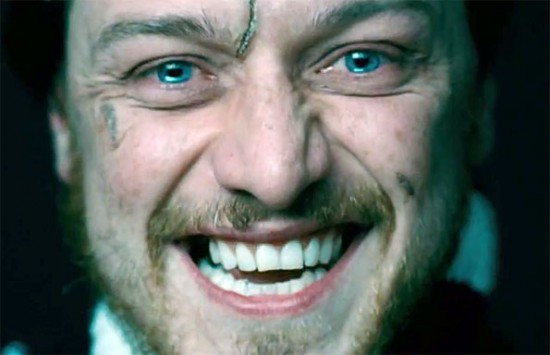
The list takes a darker turn onto the gritty cobbled streets of Edinburgh with Jon C. Baird’s adaptation of Irvine Welsh’s novel Filth. Alcoholic junkie cop Bruce Robertson is not a well man, physically or mentally, and we, as an audience, are complicit to his wicked mind games as he turns colleagues against each other and betrays his friends.
For my review, click here!
-
Funny Games

In Michael Haneke’s psychotic thriller Funny Games, the fourth wall is well and truly smashed when a character not only speaks into the camera but rewinds the film back a few minutes so that he can play it out his own way! The Austrian original version is excellent but if you don’t want subtitles, Haneke remade his own work for a wider English speaking audience with Boardwalk Empire star Michael Pitt holding the remote.
-
Annie Hall

 Cinema Perspective