Everybody of a certain age remembers the craze of the BlackBerry phone, marking the beginning of the smartphone obsessed era we’re still living in today. However, not everybody will know the story behind the device. Based upon Jacquie McNish and Sean Silcoff’s book Losing the Signal: The Untold Story Behind the Extraordinary Rise and Spectacular Fall of BlackBerry, independent filmmaker Matt Johnson brings the tale to the big screen in his trademark mockumentary style as a writer, director, and as an actor. I was fortunate enough to have the opportunity to discuss the film with him…
Following on from 2021’s origins prequel, the sixth instalment in this gritty British crime saga is Rise of the Footsoldier: Vengeance. Directed by Nick Nevern, this chapter is set in 90s Soho and sees Craig Fairbrass reprising his role as the vicious gangster Pat Tate. Ahead of its release, I jumped at the opportunity to sit down with the actor to discuss the film…
The last time we spoke (our 2022 interview), you mentioned that you enjoyed switching into ‘Pat Tate mode’ for these films. How was that process this time around and were there any big differences to the previous times you’ve played him?
He’s much more of a thinking man in this film. He’s calculating, putting two and two together, and he’s on a mission for revenge. It’s just different, and there’s a little more depth to him in this film. He’s not just running around shouting and screaming and swearing and snorting cocaine and beating people up. You know him a little bit more, but he has the physicality and the violence that goes with it.
Beginning with the brutal retelling of the Rettendon murders, the Footsoldier franchise has since spanned nearly two decades, expanding the saga from true crime into fiction. The sixth instalment, Rise of the Footsoldier: Vengeance is a direct sequel to 2021’s origins prequel and sees actor-turned-filmmaker Nick Nevern return to the director’s chair. Craig Fairbrass reprises his role as Essex hardman Pat Tate who’s out for revenge when one of his loyal footsoldiers is brutally murdered in mysterious circumstances. Crossing paths with Sam (Jamie Foreman), David (Phil Davis), and Fergus (Stephen McCole) in the seedy underbelly of 90s Soho, he will stop at nothing to track down his friend’s killer.
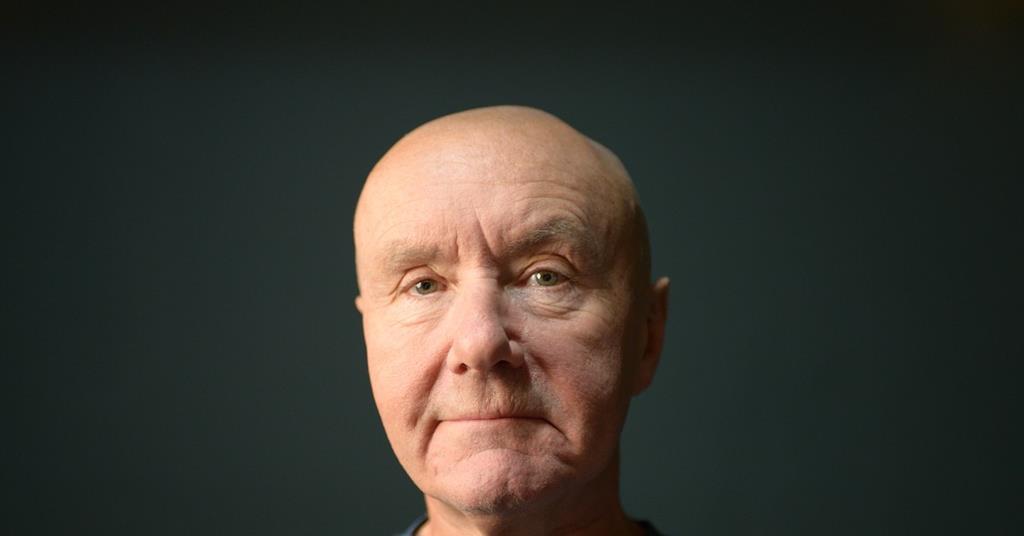
After his seminal novel Trainspotting was published in 1993, the debut work of Irvine Welsh quickly became a cultural phenomenon, spawning theatre productions, the iconic film by Danny Boyle, sequels, and soon it’ll be turned into a stage musical. Other books of his such as The Acid House, Filth, and Crime have since been adapted for the screen and his writing has become instantly recognisable around the world due to its dark humour and Scottish dialect.
Taking a closer look at the man behind the material, documentary Beyond Trainspotting (previously titled Choose Irvine Welsh) celebrates the life and work of the author. Ahead of its premiere at this year’s Edinburgh International Film Festival, I sat down with Irvine Welsh and the film’s director Ian Jefferies to discuss the piece…
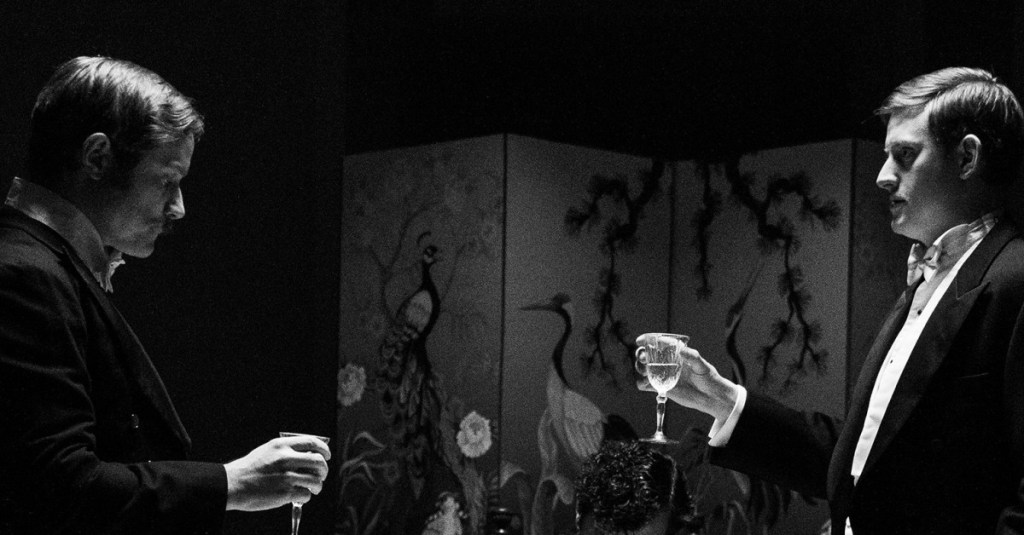
Robert Louis Stevenson’s gothic novella has been retold on the stage and screen countless times and is so familiar to us that the title itself has become part of our vernacular. The latest adaptation of The Strange Case of Dr. Jekyll & Mr. Hyde comes from director Hope Dickson Leach, combining mediums in a bold hybrid vision, first shown as a live experience at Leith Theatre in collaboration with the National Theatre of Scotland. Reimagined as an Edinburgh-based noir, Lorn Macdonald stars as Gabriel Utterson, a legal practitioner who turns detective when his friend Dr. Jekyll (Henry Pettigrew) abruptly changes his will, leaving everything he owns to the mysterious Mr. Hyde.
Around twenty years ago, writer and director Shane Meadows made psychological thriller Dead Man’s Shoes and it changed his life. The film premiered at Edinburgh International Film Festival in 2004 and has gone on to become a cult classic amongst film fanatics. Paddy Considine co-wrote the screenplay and also stars as Richard, a violent soldier who comes back to his hometown after years away. While he was gone, his vulnerable brother Anthony (Toby Kebbell) was targeted by a local gang fronted by drug dealer Sonny (Gary Stretch), so Richard is out for revenge. This year, Shane Meadows returned to Edinburgh to celebrate the anniversary with a retrospective screening, and I was delighted to chat with him beforehand…
How do you feel about the cult following and legacy that Dead Man’s Shoes now has, decades after it was made?
It’s mad and comes as a real surprise when something like that keeps earning fans. When it first came out, there was another film called Saw that came out literally at the same time. That ended up with sequels and was a bit of a revenge horror thing…so we ended up not being in the cinema for very long and didn’t really make a splash! Then it became one of those films that got handed around on VHS and DVD as the years rolled by. I don’t get recognised a lot but when I do, people want to talk about Dead Man’s Shoes. It’s kind of mind blowing.
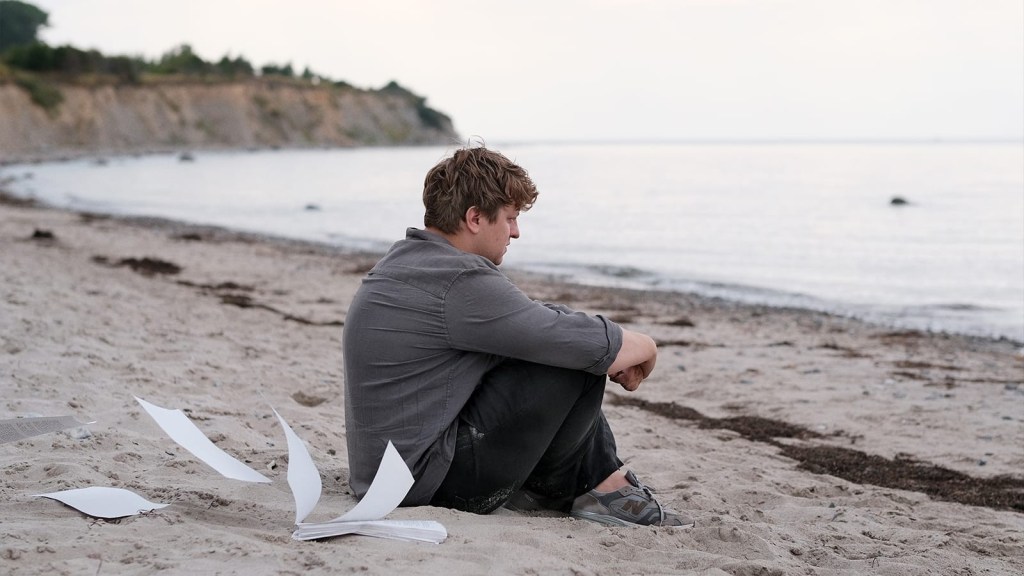
A subtly satirical take on the tortured artist trope, Afire is the latest effort from German writer and director Christian Petzold. The plot follows struggling author Leon (Thomas Schubert) and his photographer friend Felix (Langston Uibel) on a trip to a seaside holiday home to get some inspiration. On their arrival they find that they’re not the only guests, and their fellow lodger Nadja (Paula Beer) keeps them up through the nights as she entertains her lifeguard lover Devid (Enno Trebs). What begins as a work retreat soon turns into something quite different as procrastination leads to unexpected passion.
Revisiting themes of complicated love, the latest film from Ira Sachs is romantic drama Passages. The plot sees narcissistic filmmaker Tomas (Franz Rogowski) begin an intense sexual relationship with schoolteacher Agathe (Adèle Exarchopoulos), much to the dismay of his husband Martin (Ben Whishaw). I was fortunate enough to sit down with the writer and director to discuss his work…
Developing their own 2021 short into a taut feature, the writer-director duo of Sam H. Freeman and Ng Choon Ping study very different facets of masculinity in their neo-noir thriller Femme. The story follows Jules (Nathan Stewart-Jarrett) who performs in drag under his ferociously flamboyant alias Aphrodite Banks. On the way home after a show, he falls victim to a brutal hate crime at the hands of Preston (George Mackay), a small-time drug dealer egged on by his jeering gang of friends. Several months later, their paths cross again in the most unlikely of places.
After crafting a string of shorts and music videos, writer and director Charlotte Regan presents her debut feature Scrapper, bringing colour, humour, and vibrancy to a street-smart working class tale. Georgie (Lola Campbell) is a 12 year old girl grieving the tragic loss of her mum to an illness. Fending for herself, she and her partner in crime Ali (Alin Uzun) steal and sell bikes to make ends meet in their East London council estate. Before long, her estranged father Jason (Harris Dickinson) turns up on the scene and the pair slowly begin to form a connection. I was fortunate enough to sit down with Charlotte Regan to discuss the film…





 Cinema Perspective